Table Of Content
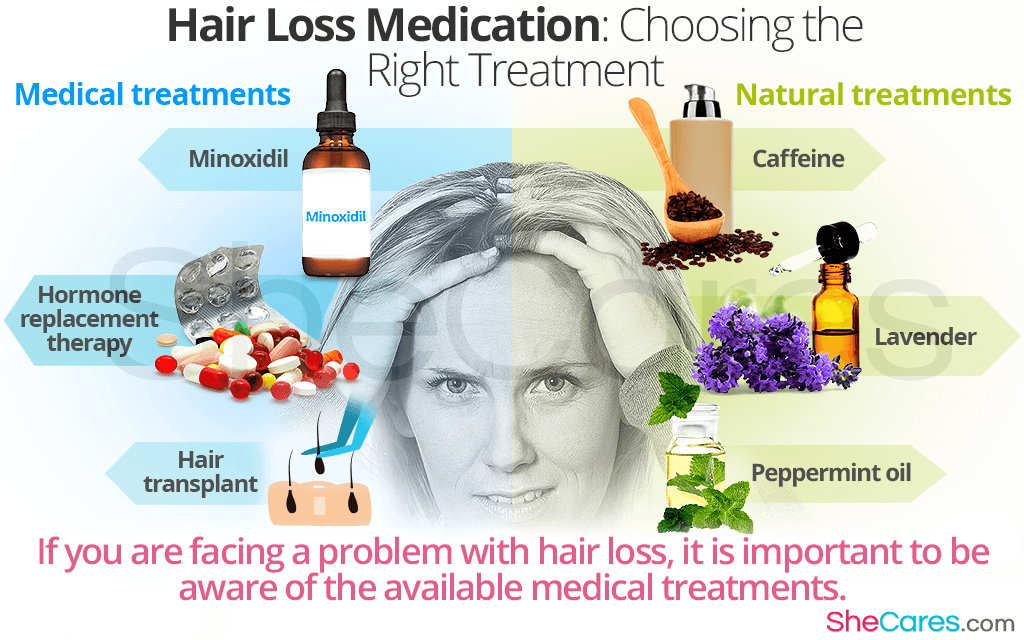
Gout medications like allopurinol (Zyloprim and Lopurin) have been reported to cause hair loss. When hemoglobin is too low, you can become anemic and lose hair as a result. Normal levels of vitamin B are also critical to maintaining healthy hair. High doses of vitamin A and medications derived from it can cause hair loss.
Types of alopecia
Alopecia areata is an autoimmune disease that causes hair to fall out in nickel- or quarter-size patches. “Your body’s immune system is attacking the hairs,” Brodell says. “As soon as you notice hair loss is happening, you should come in,” says Lauren Eckert Ploch, a dermatologist in Aiken, South Carolina. Side effects are rare but may include scalp redness and irritation and the growth of facial hair. Individuals who cannot visit or do not feel comfortable consulting a physician in person can consider using a telehealth service to discuss their hair loss and get a prescription. Individuals must answer an online questionnaire indicating whether they have a receding hairline, thinning at the crown, overall hair loss, and more.

About Mayo Clinic
You can also ask your doctor about oral minoxidil as a treatment for androgenetic alopecia. It’s always a good idea to talk to your doctor about hair loss, since they can help identify any medical conditions contributing to hair loss and recommend the right treatment. Hair loss in women is natural part of the aging process, with most women experiencing hair loss after menopause. More than half of women ages 65 and older will experience some degree of hair loss.
Diagnosis of drug-induced alopecia
Most hair-loss plans, according to Morrell, are slow to show results and can require a minimum of three to six months to produce any noticeable change. ‘What is surprising with the Advanced Hair System is how much quicker we see results,’ she says. The hair-restoration program is designed to be used for six weeks (though Morrell sometimes recommends a second series in advanced cases).
Beta-blockers can function as life-saving blood pressure reducers, but they may also reduce hair production over time. Specifically, metoprolol, propranolol, angiotensin-converting enzyme inhibitors have been found to cause follicles to prematurely drop their hairs during the growth cycle. Researchers claim that most beta-blocker related hair loss is reversible and that the benefits of the drug often outweigh this side effect in the short term. The effects typically begin several weeks after the initiation of the therapy that causes hair loss. Research on women who have been treated with chemotherapy for breast cancer has found that alopecia could begin as early as two weeks after the first treatment for some women.
Hair Loss Prevention: 22 Things You Can Do to Stop Hair Loss - Healthline
Hair Loss Prevention: 22 Things You Can Do to Stop Hair Loss.
Posted: Thu, 25 Apr 2024 16:18:45 GMT [source]
ANAGEN EFFLUVIUM
All ibuprofen-related hair loss is considered mild and reversible. Steroid treatments can take place every four to six weeks, and you may see hair regrowth in one or two months. If your hair doesn’t grow, or if you can’t tolerate needles, a dermatologist may prescribe corticosteroid to be taken by mouth for 8 to 10 weeks. If it doesn’t have a visible effect after six months, this treatment should be stopped.
How will a healthcare provider diagnose hair loss in women?

This is because finasteride can get into sperm and harm a fetus. Finasteride can also pass through skin, so people who are pregnant or planning to conceive should not touch broken or crushed finasteride products. Additionally, the AAD advises that people should not use spironolactone if they are pregnant, as it can cause birth defects. A person should use birth control to prevent pregnancy if they want to take spironolactone.
substantial weight loss over a short period of time
Roman provides prescription and OTC medications for hair loss, erectile dysfunction, and premature ejaculation. This is because the topical medication may come with a reduced risk of sexual dysfunction. However, the topical form may cause irritation, a burning sensation, or contact dermatitis at the treatment site. It is also not recommended for pregnant or breastfeeding people. A person should not use minoxidil if they do not know the cause of their hair loss.
Scarring alopecia is rare and has various etiologies, including autoimmune diseases such as discoid lupus erythematosus. If the follicular orifices are absent, the alopecia is probably scarring; these patients should be referred to a dermatologist. This article will discuss approaches to nonscarring causes of alopecia.
Thinning hair in women: Why it happens and what helps - Harvard Health
Thinning hair in women: Why it happens and what helps.
Posted: Wed, 03 Apr 2024 07:00:00 GMT [source]
At the end of the day, remember you do have safe and effective options for treating hair loss, and treatment can make a big difference. In one 2011 study, researchers divided 78 people into two groups. Anthralin topical cream (Dithralin), originally used as a treatment for psoriasis, may also prove effective for the treatment of mild alopecia areata. In rare cases, ketoconazole shampoo can result in hair loss, so talk with your doctor right away if you notice this side effect. Minoxidil, also known as Rogaine, is approved by the Food and Drug Administration (FDA) for the treatment of alopecia areata or androgenic alopecia.
The way this medication works is not well understood, but many people see significant results. Although it is available without a prescription, you may have better results if you use it while seeing a dermatologist. He or she can diagnose the exact cause of hair loss and determine whether a 2 percent or 5 percent concentration of minoxidil is right for you. The dermatologist can also show you how to apply it correctly.
Common conditions that mimic androgenetic alopecia include thyroid disease, iron deficiency anemia, and malnutrition. It's important to review any medications you take, and discuss their potential side effects with your doctor and pharmacist. When hair loss does occur from a drug you're taking, there is a good chance that the hair will grow back on its own after you stop taking the medication. If your ponytail is not as bouncy as it once was, or your hair is simply not as lush, soft, or full, you’re not alone. Nearly 50% of women going through menopause, typically in their forties and beyond, will experience moderate to excessive hair loss, shedding and thinning.
However, a negative test result does not necessarily exclude those conditions. Patients with hair loss will often consult their family physician first. Hair loss is not life threatening, but it is distressing and significantly affects the patient's quality of life. The pattern of hair loss may be obvious, such as the bald patches that occur in alopecia areata, or more subtle, such as the diffuse hair loss that occurs in telogen effluvium. As with most conditions, the physician should begin the evaluation with a detailed history and physical examination. It is helpful to determine whether the hair loss is nonscarring (also called noncicatricial), which is reversible, or scarring (also called cicatricial), which is permanent.
Finasteride is not safe individuals who are pregnant or nursing, females of childbearing age, or children. Another recent 2022 article states that some individuals may prefer using topical finasteride rather than the oral form. According to the AAD, a person should take 1 finasteride pill every day.
A dermatologist can help you understand if you have hair loss, excessive hair shedding, or both, and help you identify possible causes. Taking steps to minimize and navigate stress before it overwhelms you could help lower your chances of experiencing physical side effects, like hair loss. Deficiencies in iron and zinc may contribute to hair loss, but getting enough of these vitamins may help prevent future hair loss and promote new growth. Topical tretinoin (Retin-A) is sometimes used in combination with minoxidil to treat androgenic alopecia. To notice the full results, you may need to continue with one or a combination of treatments for several months.


No comments:
Post a Comment