Table Of Content

During the anagen phase, which lasts for two to seven years, the hair grows. During the telogen phase, which lasts about three months, the hair rests. At the end of the telogen phase, the hair falls out and is replaced by new hair.
The role of vitamins and minerals in hair health: Essential nutrients for strong and healthy hair
However, nervous habits, burns, ringworm (tinea capitis), or other dermatological conditions can bring on bald patches or circles. Furthermore, physical or emotional stress, radiation therapy, and some medications can cause hair to fall out in clumps. In most cases, hair will grow back by itself once a person stops taking the medication. If your hair loss is caused by an underlying disease, treatment for that disease will be necessary.
Other causes of alopecia
Hair Loss Prevention: 22 Things You Can Do to Stop Hair Loss - Healthline
Hair Loss Prevention: 22 Things You Can Do to Stop Hair Loss.
Posted: Thu, 25 Apr 2024 16:18:45 GMT [source]
Women may notice that their part is becoming wider or that their scalp is more visible. Menopause, when the menstrual cycle stops, causes changes in estrogen and testosterone—hormones involved in regulating the hair cycle. Typically setting on when women are between 45 and 55, these fluctuations can trigger female pattern hair loss.
Female-pattern baldness
Here are some of the types of medications that can cause hair loss as a side effect. In particular, the systematic review notes that nicotine narrows blood vessels, which lowers the amount of blood flow to the scalp. Moreover, nicotine also causes inflammation of the hair follicle and makes neurotransmitter receptors less sensitive.
The hair loss that occurs as a result of medication use can affect all hair growing on the body. Injections of corticosteroids help in cases of alopecia areata, which is when the hair loss is caused by autoimmune dysfunction. In a clinical procedure, dermatologists inject these drugs just below the skin of affected areas in the scalp to spur regrowth. Common types of hair loss are androgenetic alopecia, telogen effluvium, anagen effluvium, tinea capitis, and alopecia areata. Yes, it is possible to reverse hair loss that occurs due to medications. In most cases, hair growth will resume after ceasing the medication that is causing hair loss.
However, it is not yet clear whether it is possible to reverse hair loss due to smoking. Currently, no studies suggest that hair loss improves after stopping smoking, so further research is still necessary. If you have alopecia, you can help hold onto your tresses by avoiding behaviors that are known to contribute to temporary and permanent hair loss, Mirmirani says. In addition, too much vitamin A and certain medications can also cause telogen effluvium. Of the latter are beta-blockers (e.g., Inderal), retinoids, anticoagulants (Warfarin and others), and Carbatrol (carbamazepine). But you should always talk to your healthcare provider before starting any new supplements — they’ll know what is the right amount for you to take for your hair loss.
How to Reverse Hair Loss From Medication
Additionally, the AAD advises that people should not use spironolactone if they are pregnant, as it can cause birth defects. A person should use birth control to prevent pregnancy if they want to take spironolactone. Please note that the writer of this article has not tried these products. All information presented is purely research-based and correct at the time of publication. If you’re currently losing hair, use a gentle baby shampoo to wash your hair. Unless you have extremely oily hair, consider washing your hair only every other day or less.
Risk factors
Many commonly prescribed medications can cause temporary hair loss, baldness, and even permanent hair loss. If you often wear a hairstyle like braids or a tight bun that puts prolonged strain or stress on the hair follicle, that can cause a type of permanent hair loss called traction alopecia. The most common cause of alopecia is an inherited condition called male- or female-pattern hair loss.
Can GLP-1 drugs Ozempic and Wegovy cause suicidal ideation, hair loss? - Medical News Today
Can GLP-1 drugs Ozempic and Wegovy cause suicidal ideation, hair loss?.
Posted: Mon, 08 Jan 2024 08:00:00 GMT [source]
Minoxidil
Hair loss medication can encourage hair growth and make the hair feel and look thicker, although hair loss will return in many cases if a person stops treatment. Hair loss related to androgenic alopecia tends to happen gradually. While some people might experience hair loss as early as puberty, others might not notice symptoms until their middle ages.
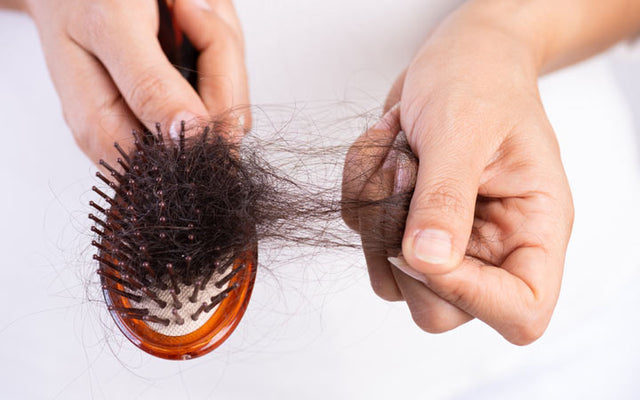
"With telogen effluvium, your hairs shift prematurely into the telogen/resting phase, stop growing and then shed, usually a few months after starting a medication," Dr. Massick says. Baldness typically refers to excessive hair loss from your scalp. Hereditary hair loss with age is the most common cause of baldness. Some people prefer to let their hair loss run its course untreated and unhidden.
Gout medications like allopurinol (Zyloprim and Lopurin) have been reported to cause hair loss. Medications that prevent seizures, like valproic acid (Depakote) and trimethadione (Tridione), can lead to hair loss in some people. Anticoagulants like heparin and warfarin are used to thin the blood and prevent blood clots and certain health concerns in some people (like those with heart conditions). When hemoglobin is too low, you can become anemic and lose hair as a result. Normal levels of vitamin B are also critical to maintaining healthy hair.
Additionally, they can also consume foods rich in these vitamins and minerals as part of their normal dietary plan. Explore Mayo Clinic studies testing new treatments, interventions and tests as a means to prevent, detect, treat or manage this condition. The easiest way to lookup drug information, identify pills, check interactions and set up your own personal medication records. Arthritis and osteoarthritis are two related but distinct medical conditions that affect the joints.


No comments:
Post a Comment